by Matt Galligan
My Favorite Products From 2020, Part 1
We’ll get this out of the way real quick: 2020 sucked for the most part. That said, it forced many of us to optimize our home and digital environments in ways we might not have otherwise. While the year presented unprecedented challenges, the enforced home time enabled meaningful experimentation with tools and products that substantially enhanced my physical health, mental organization, sleep quality, family connections, and daily enjoyment of my living space.
Here are my favorite product discoveries from 2020, ranked by impact.
1. Peloton Bike
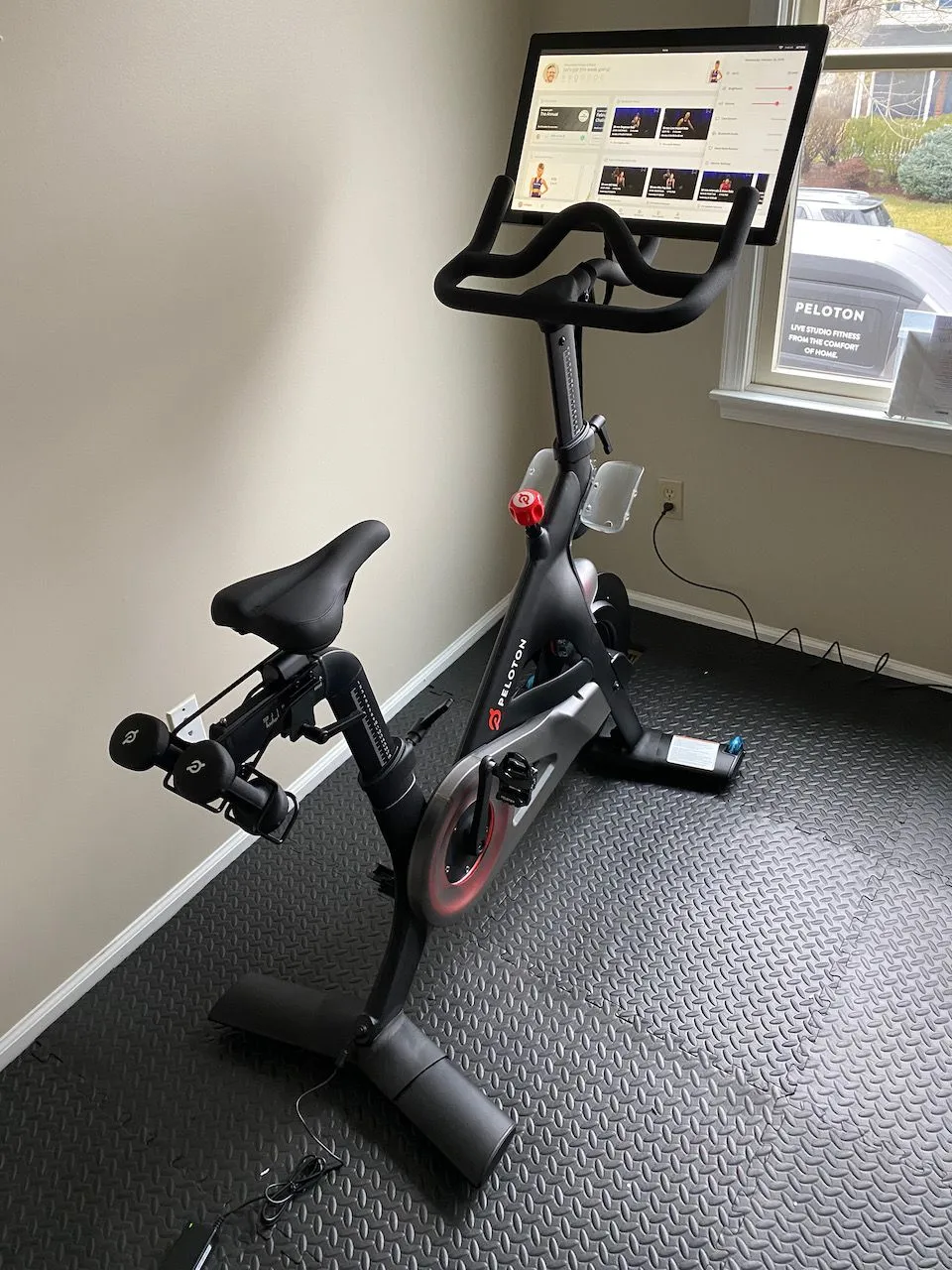
The Peloton emerged as the most impactful fitness tool in my life. From March to October 2020, I averaged over 975 calories of daily active energy burn—nearly double my previous year’s rate. My resting heart rate decreased by approximately 10%, and sleep quality improved significantly.
Rather than requiring intense daily workouts, the bike’s accessibility encouraged consistent activity habits, maintaining a “fitness flywheel” even on difficult days. Financed through Affirm, monthly costs became comparable to a big-city gym membership.
2. Roam Research
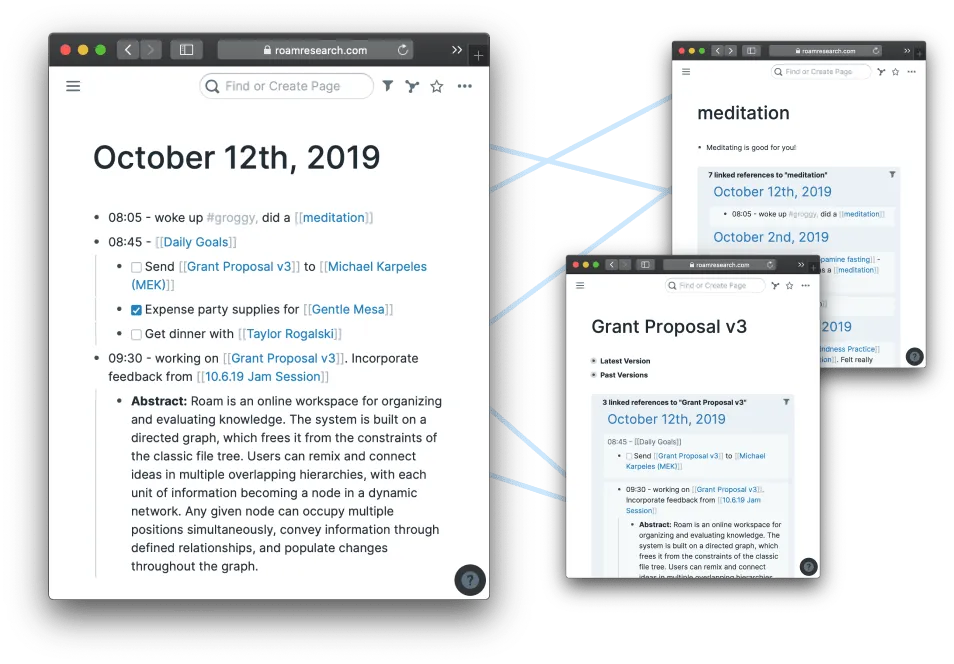
Roam revolutionized my productivity and note-taking practices. Unlike traditional software that prioritizes folder organization upfront, Roam “flips that on its head and your entry point is an automatically generated note each day.”
The tool transformed my daily writing into a searchable personal knowledge base, turning thousands of words across meeting notes, journals, and project documentation into what I describe as my “second brain.” This is a once-in-a-decade kind of software product.
3. Eight Sleep Pod Pro

This water-based temperature regulation mattress cover produced dramatic sleep improvements within weeks. I experienced longer, deeper sleep sessions—extending from typical 5-6 hour nights to consistent 7-9 hour periods.
The technology uses heated and cooled water to optimize personal sleep temperatures, and I report waking less groggy and more refreshed.
4. Facebook Portal TV
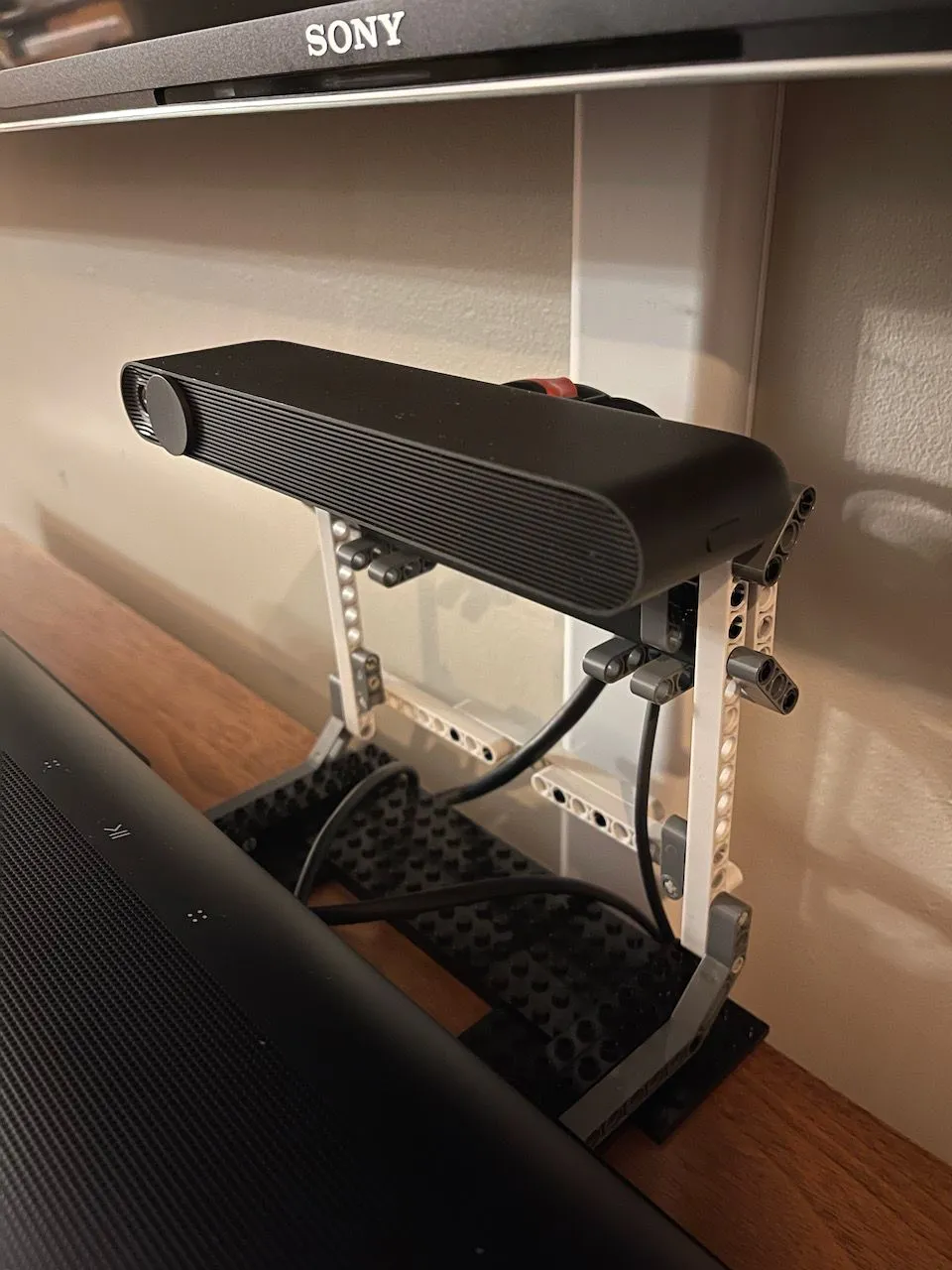
Despite my reservations about Facebook, I found genuine value in Portal’s video calling capabilities. The device’s automatic camera tracking and larger screen made remote family connections feel more natural, allowing my son to interact with grandparents across distances during pandemic lockdowns.
The user interface proved particularly accessible for less tech-savvy family members.
5. Coda

Coda distinguishes itself through “deep-rooted DNA in Excel-like formulas” woven throughout the platform. Beyond basic document creation, users can build complex databases and even “full-blown no-code software projects” within the application, making it significantly more powerful than traditional document tools.
6. Home Assistant
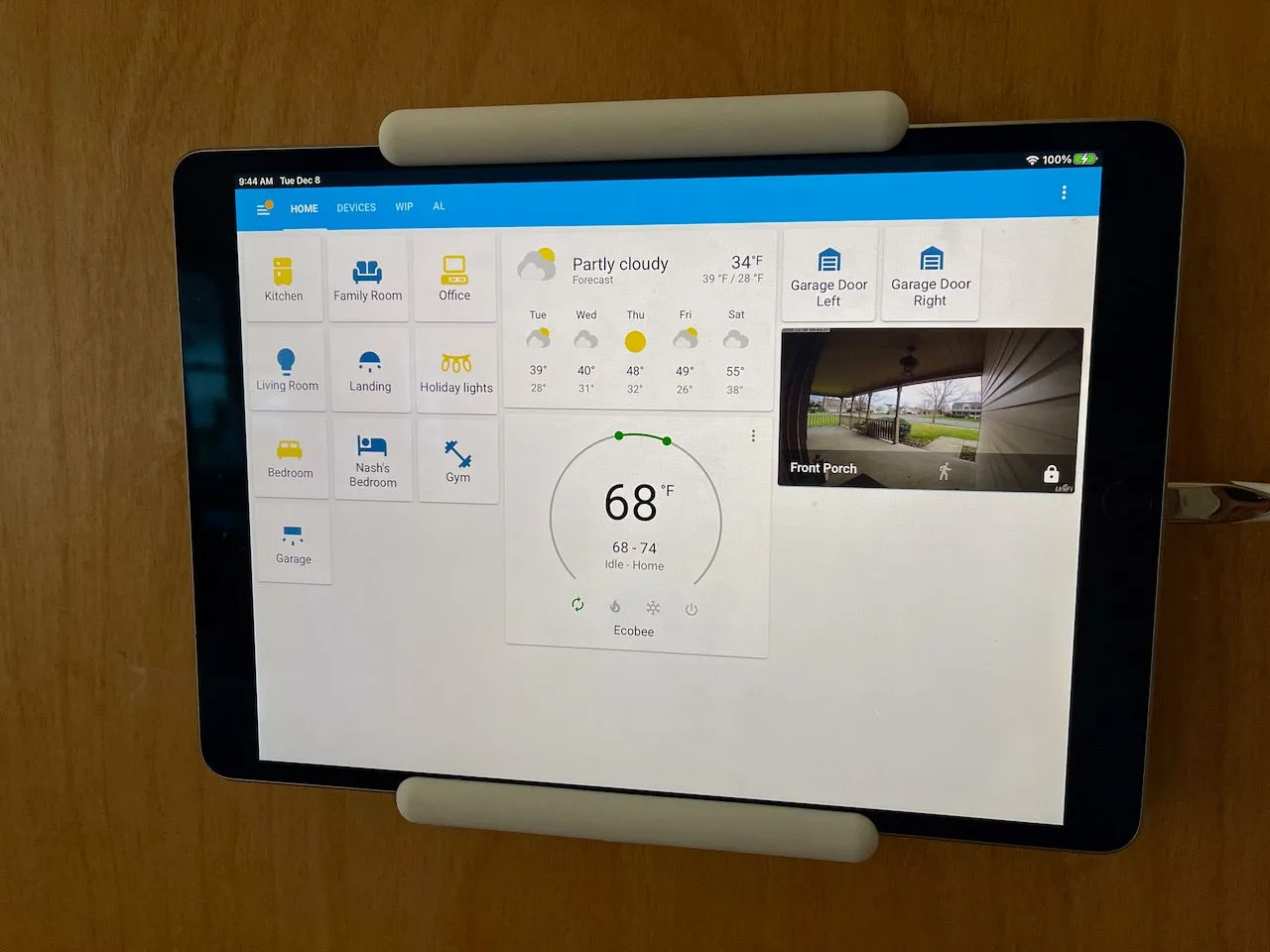
This open-source home automation platform runs locally on hardware like Intel NUC or Raspberry Pi, offering comprehensive integration across disparate smart home devices.
I built automated lighting, appliance notifications (including alerts when my non-smart washer and dryer complete cycles), and camera lighting that triggers automatically during video calls—all without relying on cloud-based services.
7. Blackstone Griddle

At roughly $300, this flat-top griddle delivers exceptional value compared to traditional grills. I particularly enjoyed preparing smash burgers and hibachi-style meals, creating restaurant-quality burgers at home.