by Matt Galligan
There's a chat for that: Apple's biggest platform opportunity yet
The future of messaging and conversational interfaces has been extensively discussed. Jonathan Libov’s “Futures of Text” explored how lightweight text-based options could replace numerous apps users currently depend on. As Libov noted, “text-based, conversational interactions are liberating in their familiarity” because messaging follows a consistent, intuitive pattern.
The average iPhone contains approximately 119 apps, yet users regularly engage with only a small fraction. Services like Lyft, Uber, Venmo, and Airbnb remain installed despite infrequent use. The traditional app model feels unnecessarily cumbersome for simple transactions.
The End of the Graphical User Interface
Learning unique interfaces for each application creates unnecessary friction. Ron Kaplan’s 2013 article suggested the Conversational User Interface represents the next evolution in human-computer interaction—an idea that appears increasingly prescient.
There’s a Chat for That
Imagine accessing services through iMessage rather than installing dedicated applications. Services would function as contacts, enabling two-way conversations to accomplish tasks. Users could grant permissions when initiating conversations and revoke them anytime. This approach eliminates application bloat while maintaining functionality.
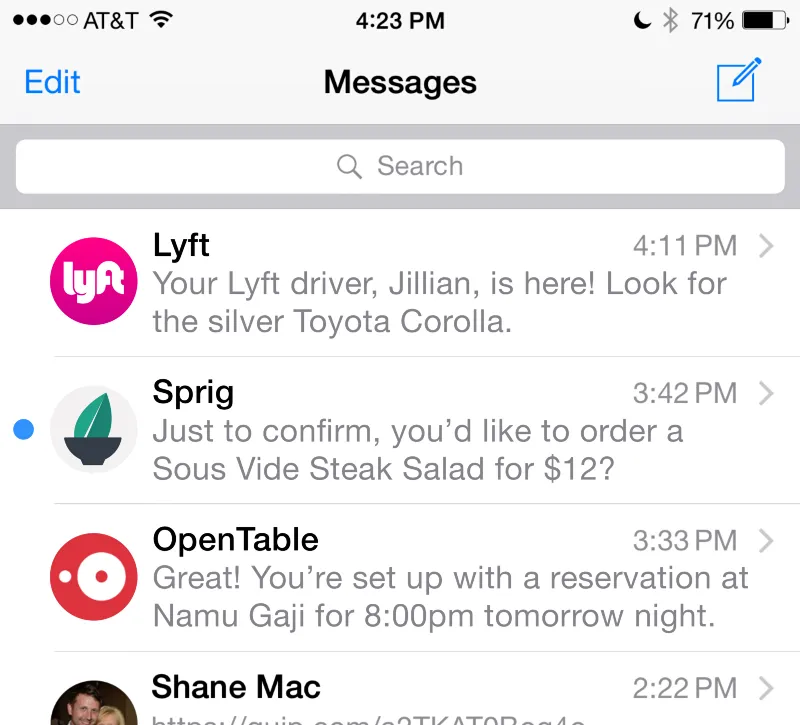
Practical Examples:
- Lyft: Request rides, confirm drivers, and pay through message streams
- Sprig: Order meals with buttons and handle payments conversationally
- OpenTable: Book reservations through natural requests
MessageKit Framework would function similarly to Apple’s existing toolkits, enabling developers to rapidly construct experiences with permission stacks, custom input methods, and discovery mechanisms. The entire system would remain opt-in, preventing unsolicited messaging.
Imagining Implementation
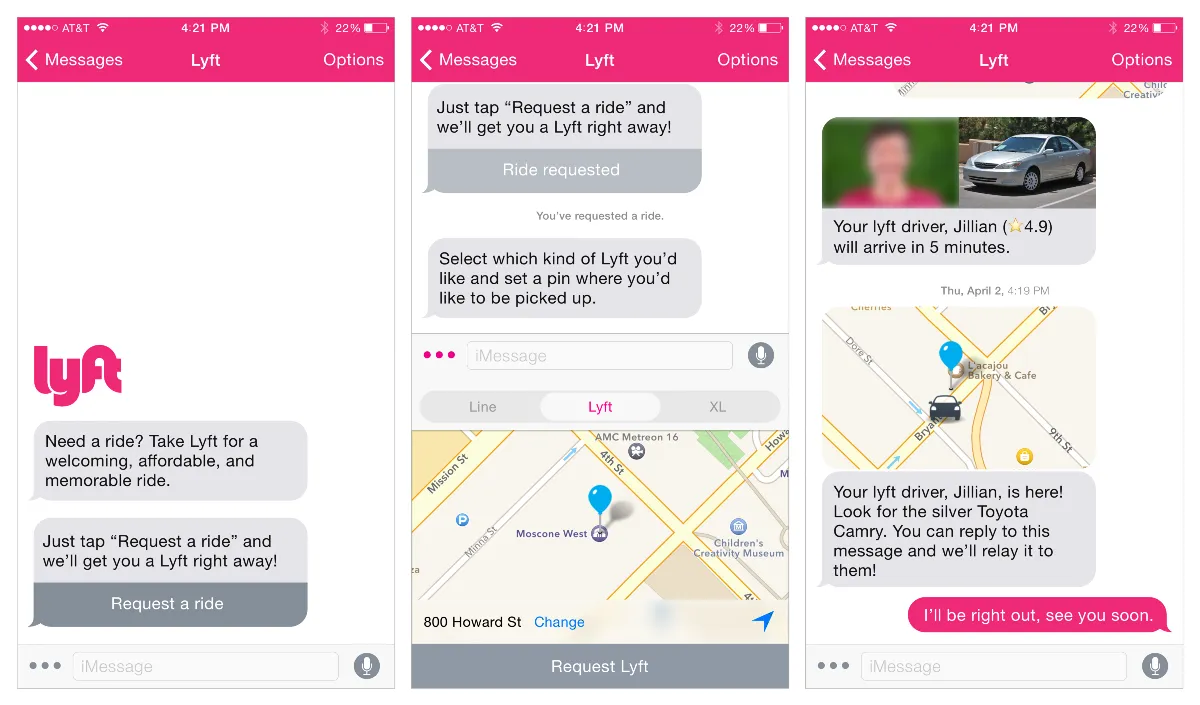
When users first engage with a Lyft conversation, tapping “Request a ride” reveals a unique interactive interface replacing the keyboard area. Developers would program custom input functions—in this case, a location selector enabling quick ride requests. Real-time map updates would notify users of driver arrivals.
Current Lyft apps include all this functionality, but stripping away unnecessary interface elements reveals the core simplicity. Opening conversations proves less cumbersome than downloading applications.
Three foundational assumptions underpin this vision:
- Natural Language Processing remains insufficiently advanced for seamless human-computer conversation
- Most companies lack NLP expertise as core competency
- Users deserve optimal, delightful experiences
Mad Libs Approach
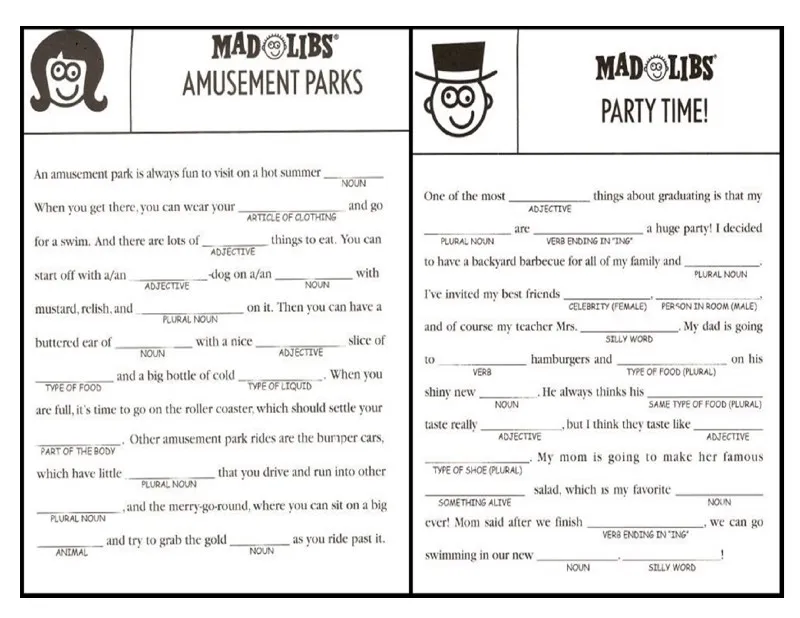
Rather than expecting users to intuitively know bot commands, suggestion boxes could guide message composition. This approach helps bots parse user intent with high accuracy while teaching users effective communication patterns.
Buttons in Messages
Rich interactive messages featuring embedded buttons would streamline conversations:
Customer: I’d like pizza delivered now
Dominos: What size? [Small] [Medium] [Large]
Customer: selects Medium
Dominos: Toppings? [Pepperoni] [Sausage] [More Options]
Simple, pointed questions requiring minimal taps eliminate complexity while maintaining universal understandability.
Siri Integration
Users already converse with iPhones through Siri. Integrating MessageKit would enable voice commands:
User: Siri, get me a Lyft
Siri: Where for pickup? [Map display]
User: Here
Siri: Lyft will notify you when arriving
Conclusion
This vision, while speculative, feels inevitable. Why maintain hundreds of apps for basic transactions? Why learn distinct interfaces for each service? Conversational experiences offer superior efficiency and delight.
Companies embracing messaging platforms and conversational interfaces—Facebook, Layer, Assist—position themselves advantageously. However, Apple possesses unique opportunity to establish entirely new experience categories, removing barriers while prioritizing user delight. MessageKit represents Apple’s most promising platform initiative.